.png)
 WhatsApp

NVIDIA GeForce RTX 5080
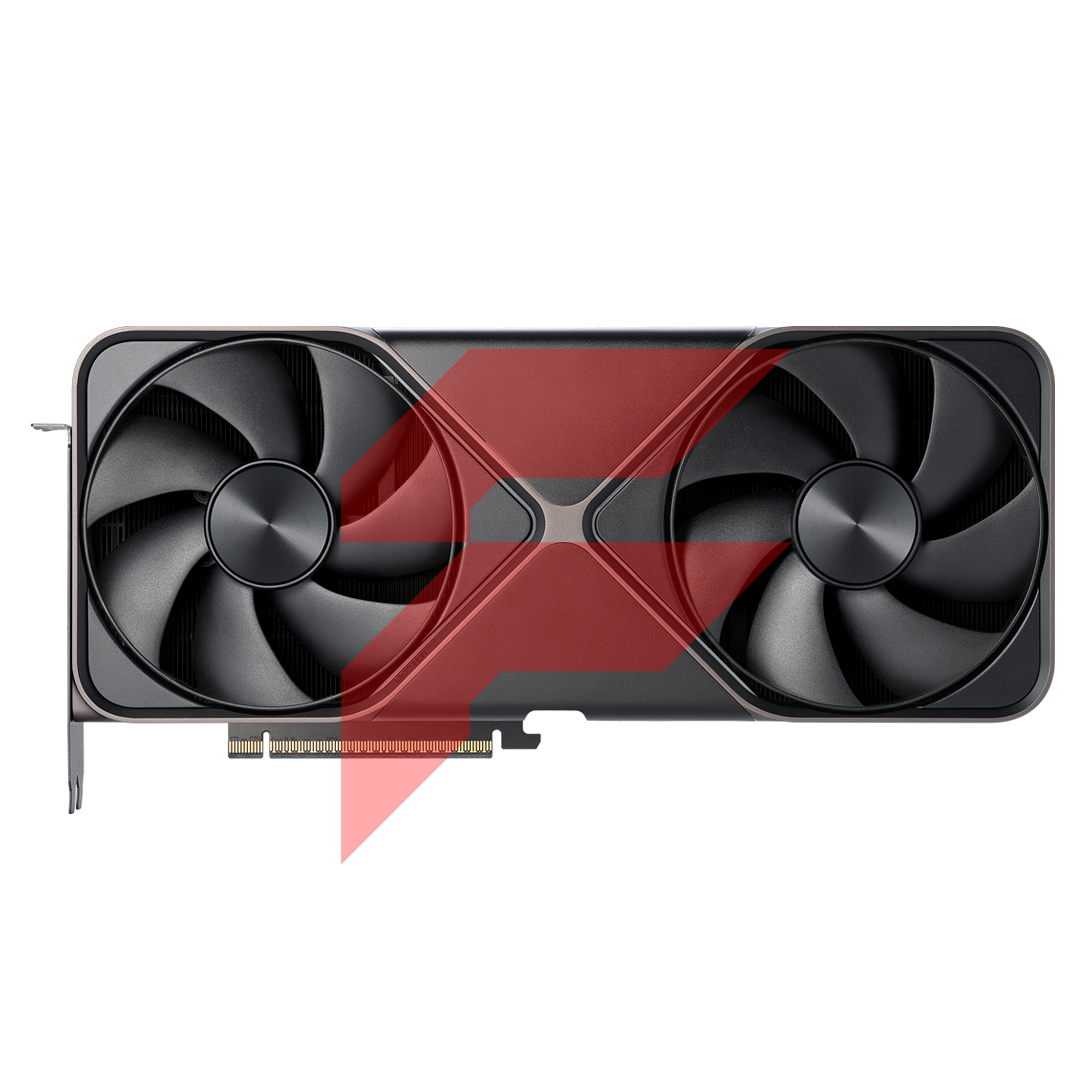
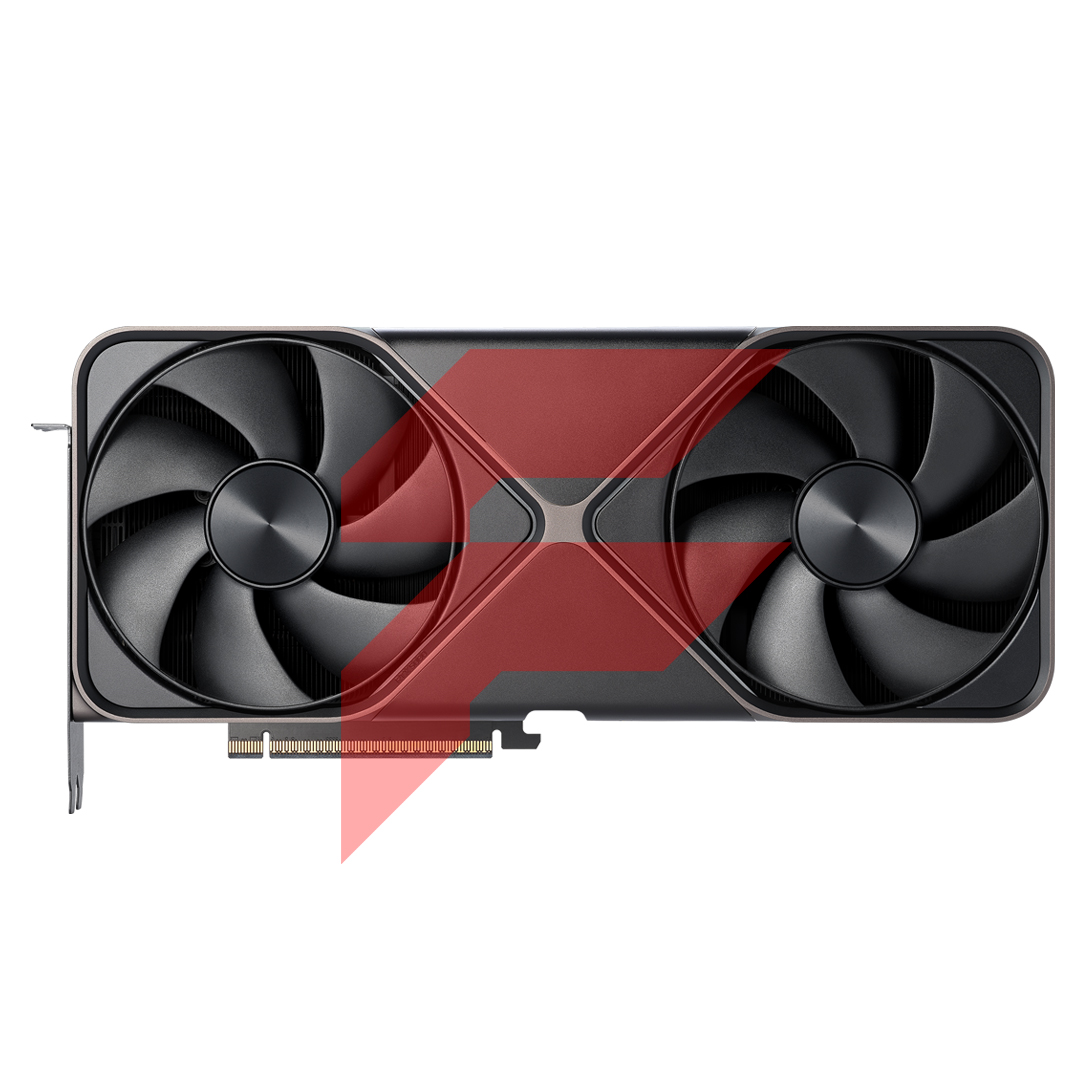
The NVIDIA GeForce RTX 5080 is a high-performance desktop graphics card designed for 4K gaming, ray tracing, video editing, 3D rendering, streaming, and AI-accelerated workloads. Based on NVIDIA's Blackwell architecture
The NVIDIA GeForce RTX 5080 is a high-performance desktop graphics card designed for 4K gaming, ray tracing, video editing, 3D rendering, streaming, and AI-accelerated workloads. Based on NVIDIA's Blackwell architecture, it features 16GB of GDDR7 video memory, 10,752 CUDA cores, fourth-generation RT Cores, and fifth-generation Tensor Cores.
The GeForce RTX 5080 supports NVIDIA DLSS technologies, including AI-powered upscaling and frame generation, alongside hardware-accelerated ray tracing. These features can improve gaming performance and visual quality in compatible games. The card also supports NVIDIA Studio technologies and GPU-accelerated creative applications.
The RTX 5080 is intended for users seeking a powerful graphics card for high-resolution gaming and demanding creative workloads. Its suitability depends on the games and applications being used, the system configuration, and the price of the graphics card compared with competing options.
The NVIDIA GeForce RTX 5080 belongs to the GeForce RTX 50 Series and uses the Blackwell architecture. It is designed to deliver high-end graphics performance for demanding PC games and GPU-accelerated applications.
Its main features include 16GB of GDDR7 memory, fourth-generation RT Cores for ray tracing, and fifth-generation Tensor Cores for AI-related processing. These components help the graphics card handle complex graphics workloads and supported AI-enhanced rendering technologies.
The RTX 5080 also supports NVIDIA DLSS technologies, which use AI to reconstruct images and generate additional frames in compatible games. NVIDIA Reflex technologies can help reduce system latency in supported titles, while NVIDIA Studio drivers and compatible creative applications can improve professional workflows.
For gamers, the RTX 5080 is particularly relevant to high-refresh-rate 1440p gaming and 4K gaming. For creators, its CUDA ecosystem, video-processing hardware, and AI acceleration can benefit supported editing, rendering, and machine-learning applications.
However, the RTX 5080 is not automatically the best option for every buyer. Its 16GB memory capacity, 360W graphics power rating, and pricing should be considered alongside competing GPUs and the requirements of the intended workload.
| Base Clock | 2.30 GHz |
| Boost Clock | 2.62 GHz |
| Ray-Tracing Hardware | Fourth-generation RT Cores |
| AI Hardware | Fifth-generation Tensor Cores |
| AI Performance | 1,801 AI TOPS, as specified by NVIDIA |
| Display Connectivity | 3 × DisplayPort 2.1b and 1 × HDMI 2.1b |
| GeForce RTX 5080 | GeForce RTX 5070 Ti | Radeon RX 9070 XT |
|---|---|---|
| Manufacturer: NVIDIA | Manufacturer: NVIDIA | Manufacturer: AMD |
| Architecture: Blackwell | Architecture: Blackwell | Architecture: RDNA 4 |
| VRAM: 16GB | VRAM: 16GB | VRAM: 16GB |
| Memory Type: GDDR7 | Memory Type: GDDR7 | Memory Type: GDDR6 |
| Core Configuration: 10,752 CUDA cores | Core Configuration: 8,960 CUDA cores | Core Configuration: 64 compute units |
RAM
32GB DDR5 for gaming; 64GB or more for demanding creative workloads
Supports multitasking, large projects, and demanding applications
Why Buy from Famberz Built?
Looking for a high-performance graphics card for your next PC build? Famberz Built helps customers explore PC components and choose products suited to their requirements.
Before purchasing the NVIDIA GeForce RTX 5080, compare the available models, current pricing, warranty terms, and compatibility with your existing system.
If you are building a new PC, consider the complete system cost, including the processor, motherboard, RAM, storage, PSU, case, and monitor. This helps ensure that the graphics card fits both your performance requirements and your budget.
For current availability, pricing, and purchase assistance, visit famberzbuilt.in or explore the Famberz Built app.
Check the product listing and applicable terms before ordering. Verify the exact model, product condition, invoice details, shipping arrangements, warranty coverage, and after-sales support before completing your purchase.
NVIDIA GeForce RTX 5080 — Frequently Asked Questions
Q: Is the NVIDIA GeForce RTX 5080 good for gaming?
A: Yes. The NVIDIA GeForce RTX 5080 is a high-end graphics card suitable for demanding games at 1440p and 4K resolutions. It supports ray tracing and NVIDIA DLSS features in compatible titles. Actual performance depends on the game, graphics settings, processor, drivers, and system configuration.
Q: How much VRAM does the NVIDIA GeForce RTX 5080 have?
A: The NVIDIA GeForce RTX 5080 comes with 16GB of GDDR7 video memory and a 256-bit memory interface. Its memory bandwidth is 960 GB/s.
Q: Is the NVIDIA GeForce RTX 5080 good for 1080p gaming?
A: Yes. The RTX 5080 is more than capable of running many games at 1080p. However, this resolution may not fully utilize its capabilities in some titles, particularly when paired with a CPU that limits maximum frame rates.
Q: Is the NVIDIA GeForce RTX 5080 good for 1440p gaming?
A: Yes. The RTX 5080 is an excellent option for demanding 1440p gaming, including high-refresh-rate gameplay. Performance depends on the game and settings, especially when ray tracing is enabled.
Q: Can the NVIDIA GeForce RTX 5080 handle 4K gaming?
A: Yes. The RTX 5080 is designed for high-end 4K gaming. It can deliver strong performance in demanding games, although some titles may require DLSS, adjusted graphics settings, or frame generation to achieve a preferred frame rate.
Q: Does the NVIDIA GeForce RTX 5080 support ray tracing?
A: Yes. It includes fourth-generation RT Cores designed to accelerate ray tracing. Performance depends on the complexity of the ray-tracing effects and the game's implementation.
Q: Does the NVIDIA GeForce RTX 5080 support upscaling or frame generation?
A: Yes. The RTX 5080 supports NVIDIA DLSS technologies, including Super Resolution and supported frame-generation features. DLSS availability and capabilities vary by game and software version.
Q: Is the VRAM capacity enough for modern games?
A: Its 16GB of GDDR7 memory is substantial for modern gaming at 1440p and 4K. However, unusually demanding games, high-resolution textures, and certain professional applications can use large amounts of VRAM. Suitability depends on the workload.
Q: Is the NVIDIA GeForce RTX 5080 good for video editing?
A: Yes. The RTX 5080 can accelerate compatible video-editing and encoding workflows through its GPU architecture, CUDA support, and dedicated video engines. The improvement depends on the editing software, codec, effects, and project complexity.
Q: Is the NVIDIA GeForce RTX 5080 suitable for AI workloads?
A: Yes. Its Tensor Cores, CUDA support, and 16GB of VRAM make it suitable for many AI applications, including supported image-generation and machine-learning workloads. Larger models may require quantization, memory offloading, or additional GPU memory.
Q: What power supply does the NVIDIA GeForce RTX 5080 require?
A: NVIDIA recommends an 850W power supply for the reference RTX 5080 configuration. The appropriate PSU depends on the complete system, and the selected card must have compatible power connections.
Q: Which processor should I pair with the NVIDIA GeForce RTX 5080?
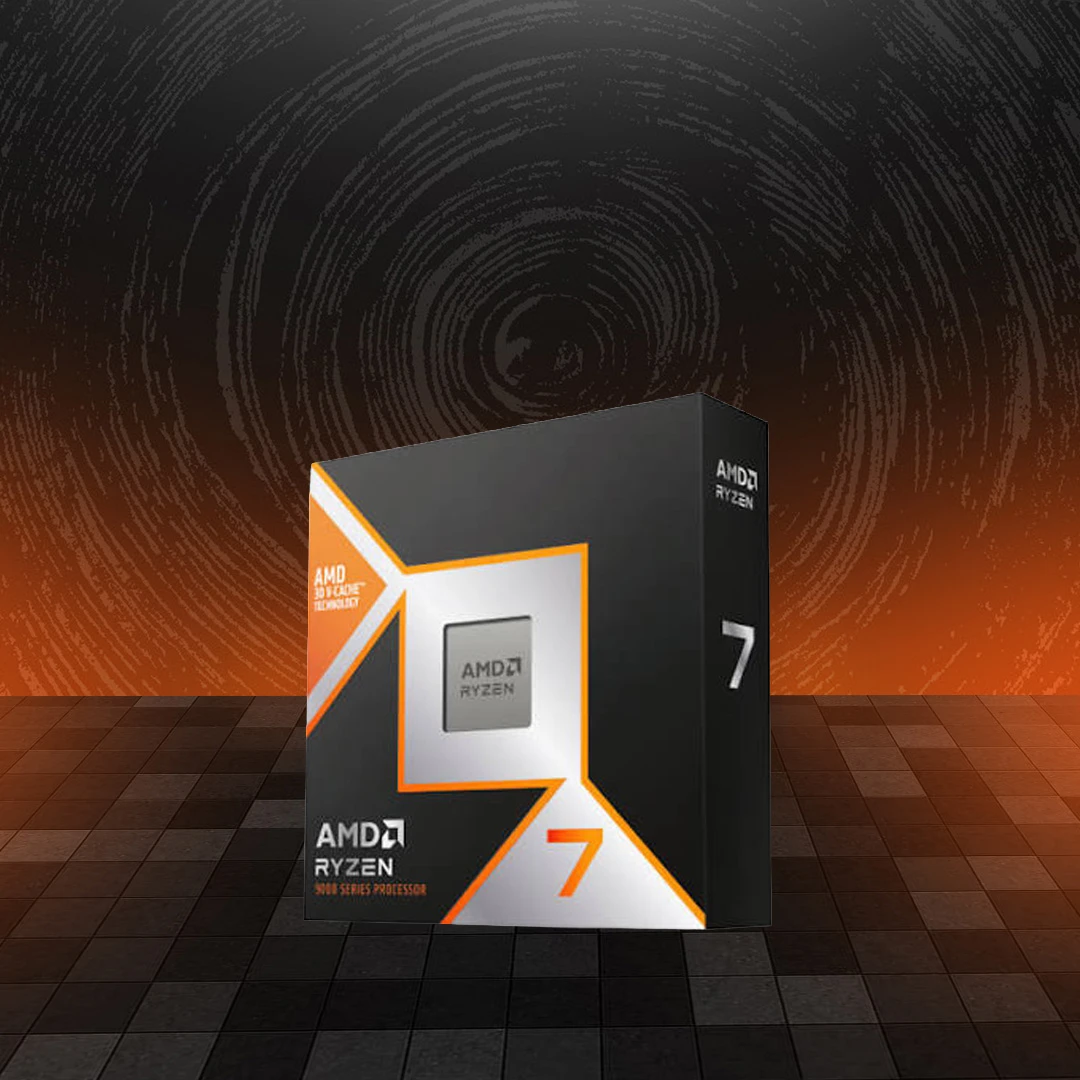
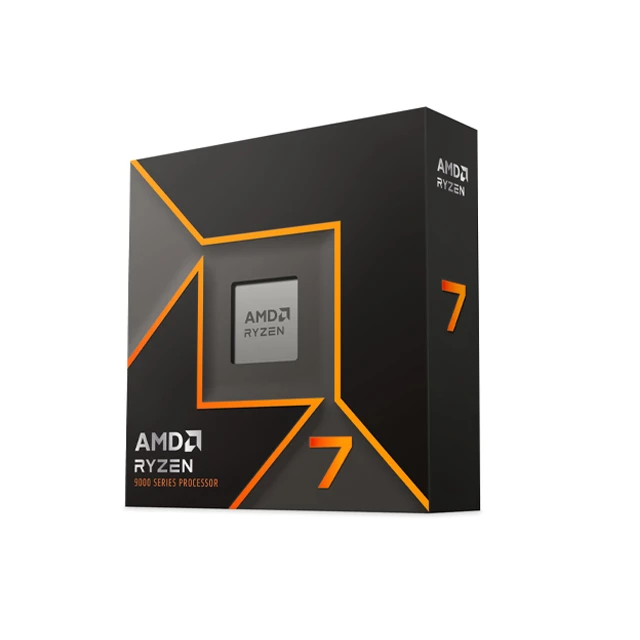
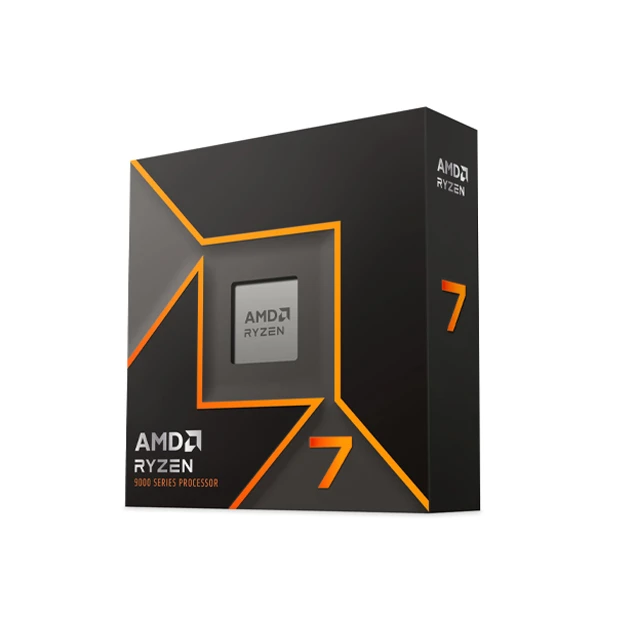
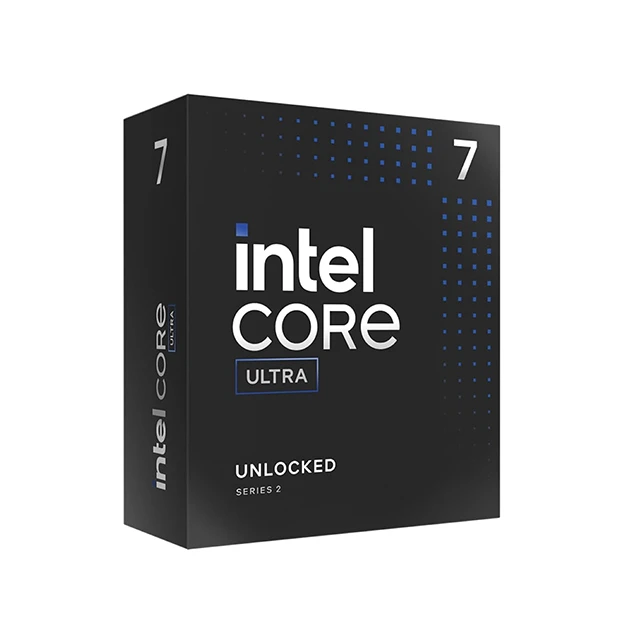
A: For gaming, processors such as the AMD Ryzen 7 9800X3D and Ryzen 7 9700X are worth considering. Other modern high-performance CPUs can also be suitable. The best choice depends on your budget, gaming resolution, and whether you also run CPU-intensive applications.
Q: How much RAM should I use with the NVIDIA GeForce RTX 5080?
A: A system with 32GB of RAM is a practical choice for gaming. For demanding video editing, 3D rendering, multitasking, or local AI workloads, 64GB or more may be beneficial.
Q: Is the NVIDIA GeForce RTX 5080 better than the RTX 5070 Ti?
A: The RTX 5080 occupies a higher performance tier and offers greater memory bandwidth. Both cards have 16GB of GDDR7 memory and support NVIDIA's software ecosystem. Whether the RTX 5080 is worth the extra cost depends on the performance difference in your applications and the current retail prices.
Q: Is the NVIDIA GeForce RTX 5080 better than the AMD Radeon RX 9070 XT?
A: The result depends on the game, resolution, graphics settings, and application. The RTX 5080 is attractive for NVIDIA's ray-tracing, DLSS, and CUDA ecosystem, while the RX 9070 XT is a competing gaming option. Compare independent benchmarks and current prices before deciding.
Q: Is the NVIDIA GeForce RTX 5080 worth buying?
A: The RTX 5080 is worth considering if you want high-end gaming performance, advanced ray tracing, and support for NVIDIA-accelerated creative or AI applications. Its value depends on the price available to you and the performance of competing graphics cards.
Q: Who should buy the NVIDIA GeForce RTX 5080?
A: The RTX 5080 is best suited to enthusiasts targeting demanding 1440p or 4K gaming, content creators using compatible GPU-accelerated software, and users who need substantial GPU computing performance. Budget-conscious gamers or users with lighter workloads may find a less expensive GPU more appropriate.