.png)
 WhatsApp

NVIDIA GeForce RTX 5050
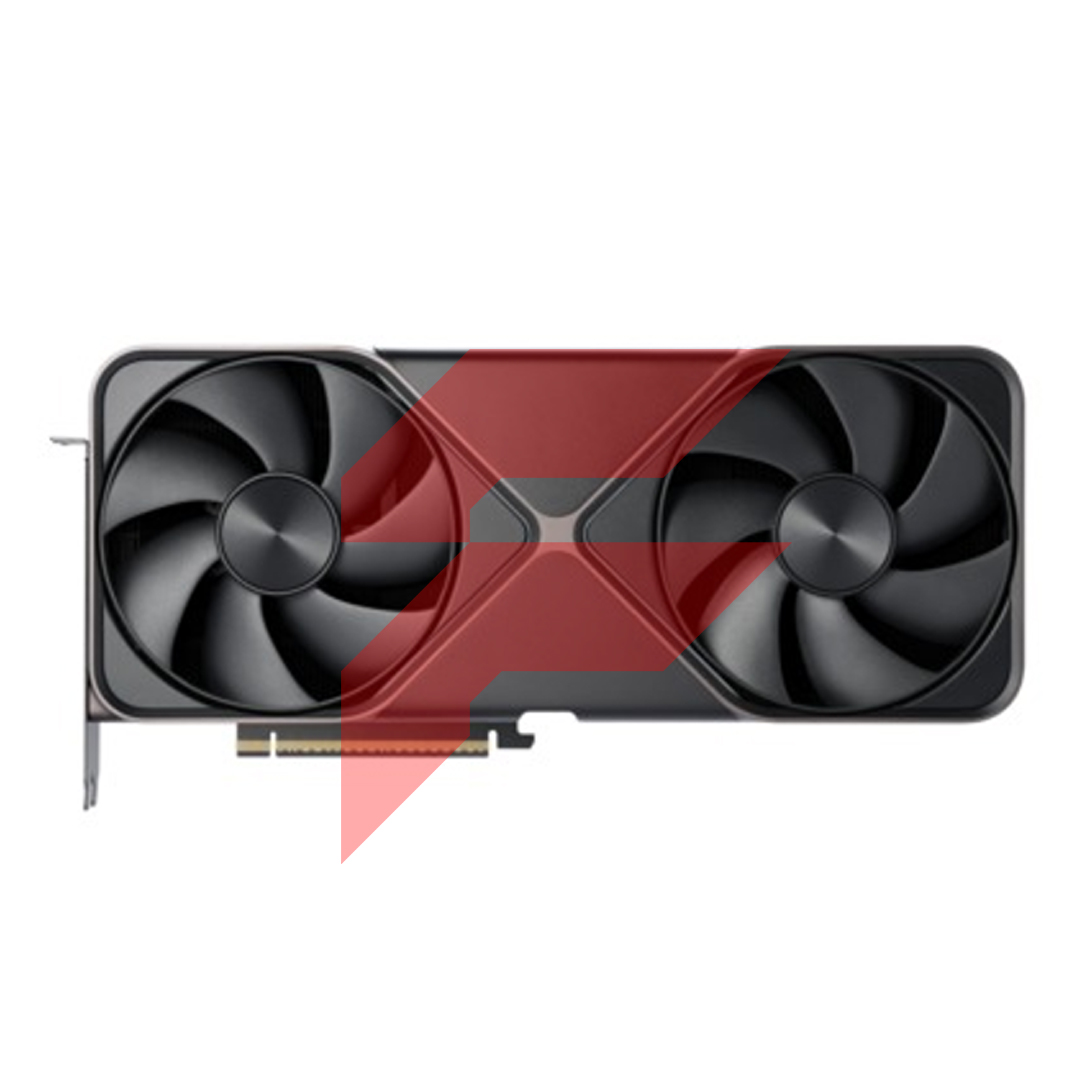
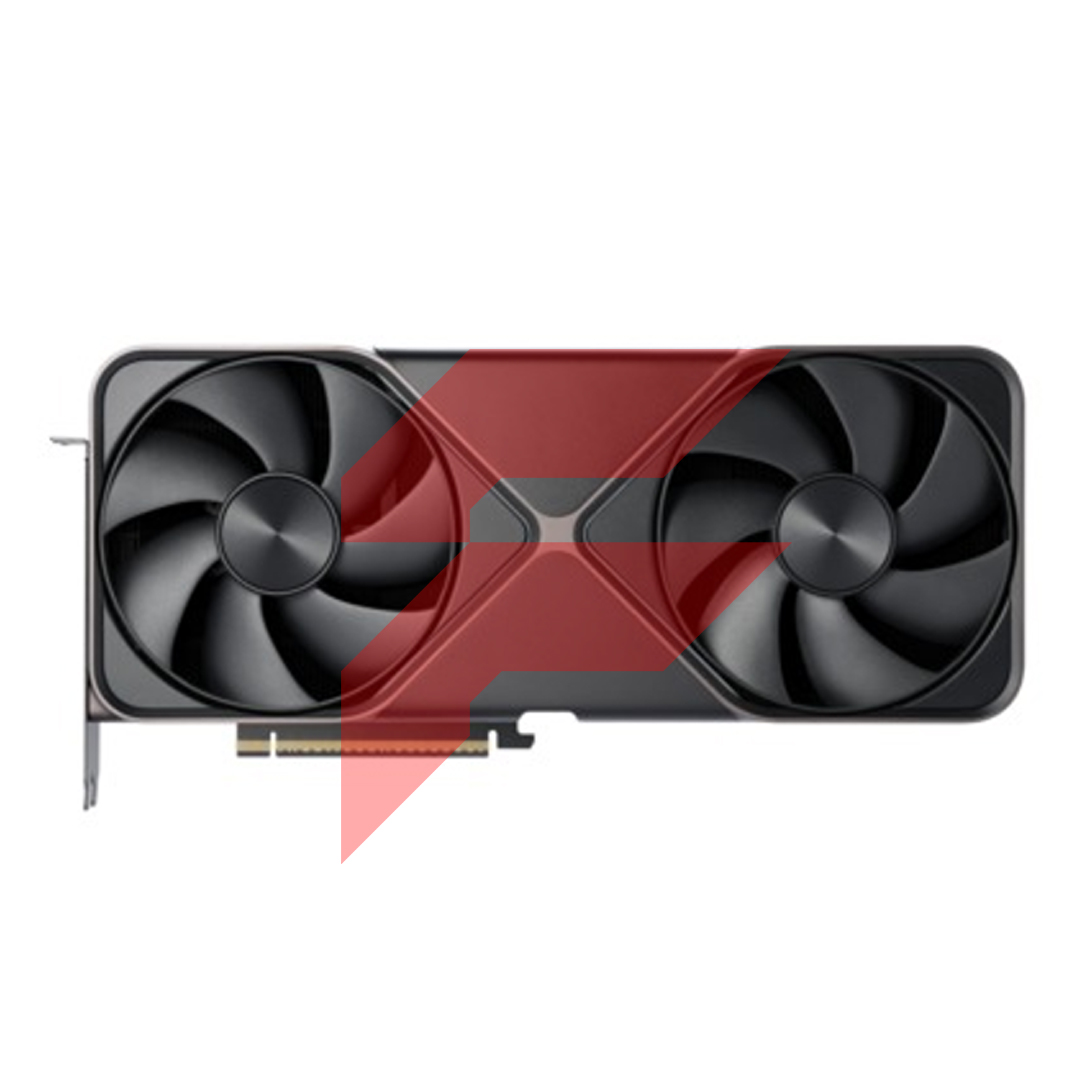
The NVIDIA GeForce RTX 5050 is an entry-level desktop graphics card designed for 1080p gaming, competitive esports, everyday GPU-accelerated applications, and entry-level content creation
The NVIDIA GeForce RTX 5050 is an entry-level desktop graphics card designed for 1080p gaming, competitive esports, everyday GPU-accelerated applications, and entry-level content creation. Based on NVIDIA's Blackwell architecture, it features 8GB of GDDR6 video memory, 2,560 CUDA cores, dedicated ray-tracing hardware, fifth-generation Tensor Cores, and support for DLSS 4 technologies.
The GeForce RTX 5050 is intended for users who want a modern, relatively power-efficient graphics card for Full HD gaming without investing in a higher-priced GPU. It also supports NVIDIA technologies for AI-assisted graphics, streaming, video processing, and creative applications.
Its suitability depends on the games and applications you use, your system configuration, and its current market price. Although the RTX 5050 supports modern graphics features, its 8GB VRAM capacity and entry-level processing performance can limit its suitability for demanding games, high-resolution textures, and intensive workloads.
The NVIDIA GeForce RTX 5050 belongs to the GeForce RTX 50 Series and uses the Blackwell GPU architecture. It is positioned as an entry-level desktop graphics card for users building an affordable gaming PC or upgrading an older system to support newer games and graphics technologies.
Its main features include dedicated ray-tracing hardware, fifth-generation Tensor Cores, and support for DLSS 4. These technologies can improve graphics quality, rendering performance, and responsiveness in compatible games. The card also supports NVIDIA's gaming and creative software ecosystem, including Game Ready Drivers, Studio Drivers, NVIDIA Broadcast, and NVIDIA Reflex.
The RTX 5050 has 8GB of GDDR6 memory connected through a 128-bit interface. This configuration is suitable for many 1080p gaming scenarios, although demanding games can require compromises in texture quality and other graphics settings. Its relatively low 130W graphics power rating also makes it a practical option for systems that do not require a high-wattage graphics card.
NVIDIA announced the desktop RTX 5050 at a starting price of US$249, with graphics cards expected to arrive during the second half of July 2025. This is the original US starting price, not a current retail price or a verified Indian launch price.
| GPU Core Count | 2,560 CUDA cores |
| Base Clock | 2.31 GHz |
| Boost Clock | 2.57 GHz |
| Ray-Tracing Hardware | Fourth-generation RT Cores |
| Total Graphics Power | 130W |
| Recommended System Power | 550W |
| GeForce RTX 5050 | GeForce RTX 5060 | Radeon RX 9060 XT 8GB |
|---|---|---|
| Architecture: NVIDIA Blackwell | Architecture: NVIDIA Blackwell | Architecture: AMD RDNA 4 |
| VRAM: 8GB | VRAM: 8GB | VRAM: 8GB |
| Memory Type: GDDR6 | Memory Type: GDDR7 | Memory Type: GDDR6 |
| Memory Interface: 128-bit | Memory Interface: 128-bit | Memory Interface: 128-bit |
| Core Count: 2,560 CUDA cores | Core Count: 3,840 CUDA cores | Core Count: 2,048 stream processors |
RAM
16GB as a practical starting point; 32GB for demanding games, multitasking, and creative work
Supports games, background applications, and creative workloads.
Why Buy from Famberz Built?
Looking for a graphics card for your next PC build? Famberz Built helps customers explore PC components and choose products suited to their requirements.
Before purchasing the NVIDIA GeForce RTX 5050, compare available models, current pricing, warranty terms, and compatibility with your system. Different board-partner cards can have different cooling designs, dimensions, clock speeds, and power requirements.
For current availability, pricing, and purchase assistance, visit famberzbuilt.in or explore the Famberz Built app.
Check the product listing and seller-provided terms for verified details about product authenticity, invoicing, shipping, manufacturer warranty, and after-sales support before placing an order.
NVIDIA GeForce RTX 5050 — Frequently Asked Questions
Q: Is the NVIDIA GeForce RTX 5050 good for gaming?
A: Yes, the NVIDIA GeForce RTX 5050 is suitable for entry-level and mainstream PC gaming, particularly at 1080p. It supports modern graphics technologies, including ray tracing and DLSS 4, but demanding games may require reduced settings because of its entry-level processing performance and 8GB VRAM capacity.
Q: How much VRAM does the NVIDIA GeForce RTX 5050 have?
A: The desktop NVIDIA GeForce RTX 5050 comes with 8GB of GDDR6 video memory connected through a 128-bit memory interface.
Q: Is the NVIDIA GeForce RTX 5050 good for 1080p gaming?
A: Yes, 1080p is the RTX 5050's primary target resolution. It can handle many mainstream games and esports titles, although demanding games may require medium settings, reduced texture quality, or supported upscaling technologies.
Q: Is the NVIDIA GeForce RTX 5050 good for 1440p gaming?
A: The RTX 5050 can handle selected games at 1440p, but it is better suited to 1080p. At higher resolutions, demanding titles may require lower graphics settings and upscaling to maintain smooth performance.
Q: Can the NVIDIA GeForce RTX 5050 handle 4K gaming?
A: It can run some games at 4K with substantial settings adjustments, but it is not an ideal GPU for demanding 4K gaming. Its processing performance and 8GB VRAM capacity can limit performance at that resolution.
Q: Does the NVIDIA GeForce RTX 5050 support ray tracing?
A: Yes, the desktop RTX 5050 includes fourth-generation RT Cores for hardware-accelerated ray tracing. Performance depends on the game and the complexity of its ray-tracing effects, so DLSS and reduced settings may be helpful.
Q: Does the NVIDIA GeForce RTX 5050 support upscaling or frame generation?
A: Yes, the RTX 5050 supports NVIDIA DLSS 4, including supported Super Resolution, Ray Reconstruction, Frame Generation, and Multi Frame Generation features. Availability depends on the individual game, its implementation, and the supported software configuration.
Q: Is the VRAM capacity enough for modern games?
A: The RTX 5050's 8GB VRAM capacity is sufficient for many games at 1080p, but some newer titles can exceed this comfortable memory budget with high-resolution textures and advanced graphics settings. Users who want to play demanding games with fewer memory-related compromises should also consider GPUs with more VRAM.
Q: Is the NVIDIA GeForce RTX 5050 good for video editing?
A: Yes, it can be suitable for entry-level and moderate video editing, particularly in applications that support NVIDIA GPU acceleration and compatible hardware encoding and decoding. Very demanding timelines, high-resolution footage, and complex effects may benefit from a more powerful GPU with additional VRAM.
Q: Is the NVIDIA GeForce RTX 5050 suitable for AI workloads?
A: Yes, it can run selected AI applications that support NVIDIA GPUs and fit within its 8GB VRAM capacity. It includes fifth-generation Tensor Cores, but large AI models and memory-intensive workloads may require a more powerful GPU or a model optimized for lower memory usage.
Q: What power supply does the NVIDIA GeForce RTX 5050 require?
A: NVIDIA specifies a recommended system power supply of 550W for the desktop RTX 5050. The GPU has a stated graphics power of 130W and uses a single 8-pin PCIe power connector in NVIDIA's announced reference power configuration. Always verify the requirements of the specific board-partner model and the complete PC system.
Q: Which processor should I pair with the NVIDIA GeForce RTX 5050?
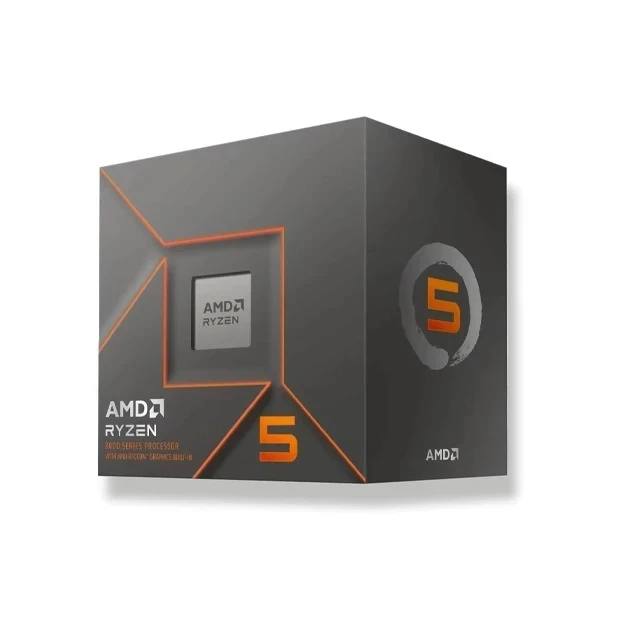
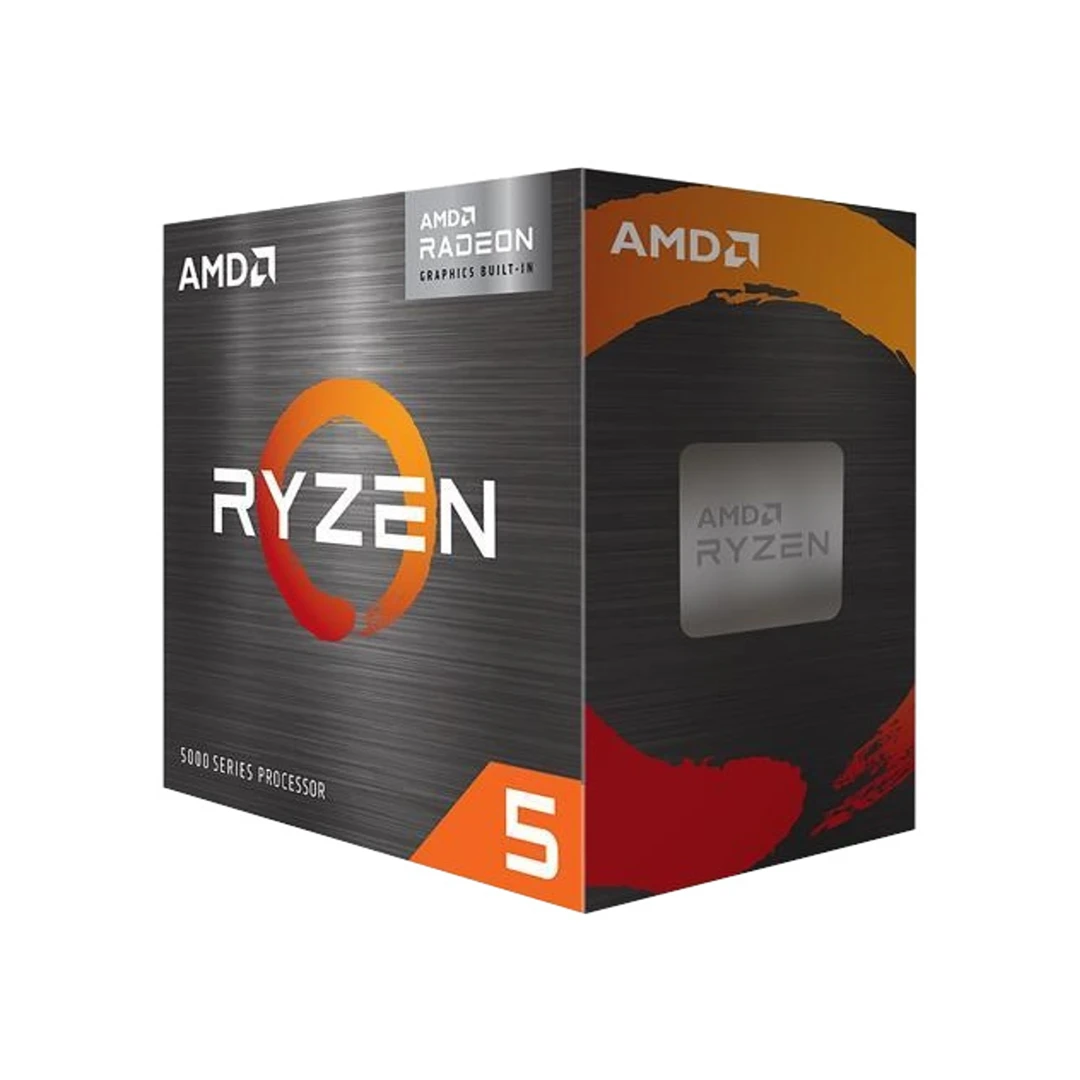
A: A modern budget or midrange processor, such as a suitable AMD Ryzen 5 or Intel Core i5, is generally a sensible pairing. The best choice depends on your budget, target frame rate, gaming resolution, and whether you also run productivity applications.
Q: How much RAM should I use with the NVIDIA GeForce RTX 5050?
A: 16GB of system RAM is a practical starting point for a gaming PC with the RTX 5050. For demanding games, multitasking, video editing, and other creative workloads, 32GB can provide more room to work comfortably. System RAM and GPU VRAM serve different purposes and are not interchangeable.
Q: Is the NVIDIA GeForce RTX 5050 better than the NVIDIA GeForce RTX 5060?
A: The RTX 5060 is generally the stronger gaming GPU, with more CUDA cores and higher memory bandwidth. The RTX 5050 may be preferable when its lower purchase price or power requirements are important, but the final decision should depend on actual retail prices and independent benchmarks.
Q: Is the NVIDIA GeForce RTX 5050 worth buying?
A: The RTX 5050 can be worth considering for a budget-oriented 1080p gaming PC, especially when it is available at a competitive price. However, buyers should compare it with the RTX 5060, relevant AMD alternatives, and previous-generation cards before purchasing. If a faster GPU costs only slightly more, the additional performance may offer better long-term value.
Q: Who should buy the NVIDIA GeForce RTX 5050?
A: The RTX 5050 is best suited to budget-conscious gamers targeting 1080p, esports players, users upgrading older entry-level graphics cards, and people who need a relatively low-power GPU for everyday graphics acceleration. Users prioritizing demanding 1440p or 4K gaming, complex 3D rendering, or larger AI workloads should consider more powerful alternatives.